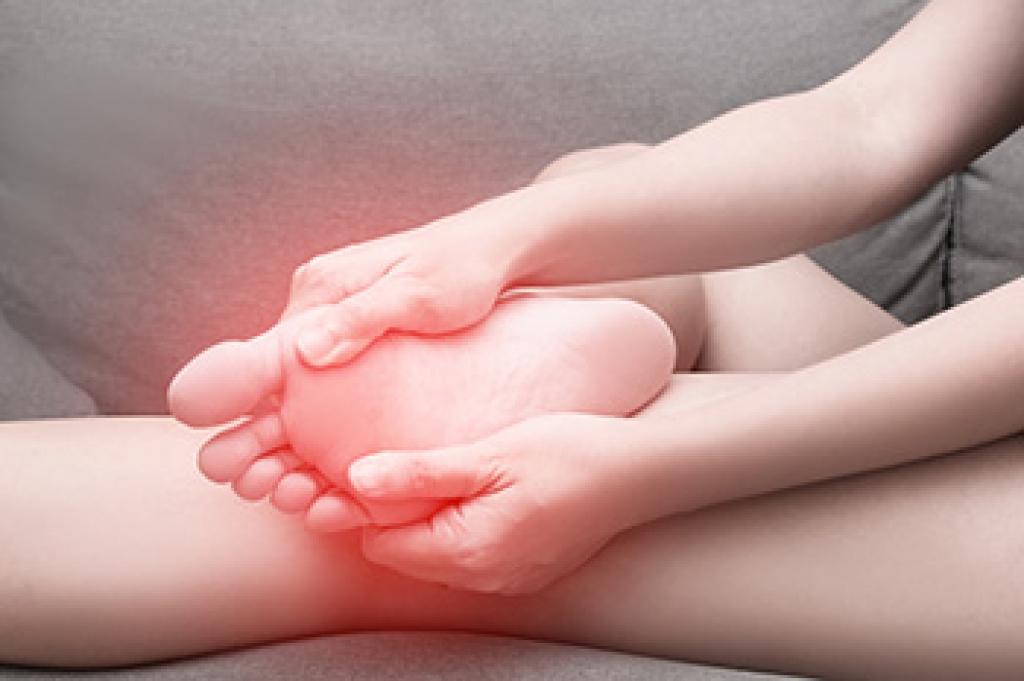
Understanding Foot Corns and How to Manage Them

Foot corns are small, thickened areas of skin that develop due to repeated pressure or friction, often forming on toes or the soles of the feet. Unlike plantar warts, corns are not caused by a virus but by mechanical stress from wearing tight shoes, high heels, or abnormal foot structure. They may feel hard or tender and can become painful when pressure is applied. Management focuses on reducing the source of irritation by wearing properly fitting, cushioned footwear and using protective pads to relieve pressure points. Regularly moisturizing the skin can help improve comfort. In some cases, over-the-counter treatments containing salicylic acid may be used carefully. If you have persistent or painful corns, it is suggested that you seek an evaluation by a podiatrist who can safely remove them and address underlying causes to prevent recurrence.

Corns can make walking very painful and should be treated immediately. If you have questions regarding your feet and ankles, contact Dr. Castillo of Bronx Foot Care. Our doctor will treat your foot and ankle needs.

Corns: What Are They? And How Do You Get Rid of Them?
Corns are thickened areas on the skin that can become painful. They are caused by excessive pressure and friction on the skin. Corns press into the deeper layers of the skin and are usually round in shape.

Ways to Prevent Corns
There are many ways to get rid of painful corns such as:

  • Wearing properly fitting shoes that have been measured by a professional
  • Wearing shoes that are not sharply pointed or have high heels
  • Wearing only shoes that offer support

Treating Corns

Although most corns slowly disappear when the friction or pressure stops, this isn’t always the case. Consult with your podiatrist to determine the best treatment option for your case of corns.

If you have any questions, please feel free to contact our offices located in Bronx, NY . We offer the newest diagnostic and treatment technologies for all your foot care needs.


Read more about Everything You Need to Know About Corns

Big Toe Arthritis Relief Without Surgery

Arthritis in the big toe, medically known as hallux rigidus, is a condition where the joint becomes stiff, swollen, and painful as the cushioning wears down. Non-surgical, more conservative care can often improve comfort and movement. Shoes with a stiff sole or a rocker bottom can reduce strain during walking. Custom orthotics, or shoe inserts designed to guide motion, may help some people, but results can vary. Anti-inflammatory medication can ease swelling, while targeted exercises can support strength and flexibility. Activity changes, such as avoiding high-impact exercise, may also protect the joint. Injections are sometimes used, although relief may not be the same for everyone. Early care can make a meaningful difference. If you notice pain or stiffness in your big toe, it is suggested that you see a podiatrist for an evaluation and guidance.

Arthritis can be a difficult condition to live with. If you are seeking treatment, contact Dr. Castillo from Bronx Foot Care. Our doctor can provide the care you need to keep you pain-free and on your feet.

Arthritic Foot Care  

Arthritis is a term that is commonly used to describe joint pain.  The condition itself can occur to anyone of any age, race, or gender, and there are over 100 types of it.  Nevertheless, arthritis is more commonly found in women compared to men, and it is also more prevalent in those who are overweight. The causes of arthritis vary depending on which type of arthritis you have. Osteoarthritis for example, is often caused by injury, while rheumatoid arthritis is caused by a misdirected immune system.

Symptoms

  • Swelling
  • Pain
  • Stiffness
  • Decreased Range of Motion

Arthritic symptoms range in severity, and they may come and go. Some symptoms stay the same for several years but could potentially get worse with time. Severe cases of arthritis can prevent its sufferers from performing daily activities and make walking difficult.

Risk Factors

  • Occupation – Occupations requiring repetitive knee movements have been linked to osteoarthritis
  • Obesity – Excess weight can contribute to osteoarthritis development
  • Infection – Microbial agents can infect the joints and trigger arthritis
  • Joint Injuries – Damage to joints may lead to osteoarthritis
  • Age – Risk increases with age
  • Gender –Most types are more common in women
  • Genetics – Arthritis can be hereditary

If you suspect your arthritis is affecting your feet, it is crucial that you see a podiatrist immediately. Your doctor will be able to address your specific case and help you decide which treatment method is best for you.

If you have any questions please feel free to contact our offices located in Bronx, NY . We offer the newest diagnostic tools and technology to treat your foot and ankle needs.

Read more about Arthritic Foot Care

Are Bunions Affecting Your Everyday Life?

Have you noticed a bony protrusion on the side of your big toe? If so, you may have developed the foot condition known as a bunion. Don't let bunions interfere with your daily activities.

How Often Does Charcot Foot Occur in Diabetics Patients?

Charcot foot is a serious condition that can affect people with diabetes, most often those who have lost feeling in their feet. It develops when the bones become weak and begin to break under normal pressure, sometimes without much pain. The foot may appear swollen, warm, or slightly misshapen as the condition progresses. Although this problem is not frequently seen, it is important because delayed care can lead to lasting deformity and trouble walking. It is sometimes mistaken for a minor injury, which can slow proper treatment. Early detection makes a big difference in protecting the structure of the foot. A podiatrist can recognize early changes, use imaging to confirm the issue, and guide treatment to prevent further damage. If you have diabetes and notice swelling, warmth, or shape changes in your foot, it is suggested that you seek care from a podiatrist.

Some foot conditions may require additional professional care. If you have any concerns, contact Dr. Castillo of Bronx Foot Care. Our doctor can provide the care you need to keep you pain-free and on your feet.

Rare Foot Conditions

The majority of foot conditions are common and can be treated by a podiatrist.  Standard diagnostic procedures are generally used to identify specific conditions and treatment can be rendered. A podiatrist also treats rare foot conditions which can be difficult to diagnose and may need extra attention and care. 

There are many rare foot conditions that can affect children. Some of these can include:

  • Freiberg’s disease
  • Kohler’s disease
  • Maffucci syndrome

Freiberg’s disease - This can be seen as a deterioration and flattening of a metatarsal bone that exists in the ball of the foot. It typically affects pre-teen and teenage girls, but can affect anyone at any age. Symptoms that can accompany this can be swelling, stiffness, and the patient may limp. 

Kohler’s disease - This often targets the bone in the arch of the foot and affects younger boys. It can lead to an interruption of the blood supply which ultimately can lead to bone deterioration. The patient may limp or experience tenderness, swelling, and redness.

Maffucci syndrome - This affects the long bones in a child’s foot leading to the development of abnormal bone lesions. They are benign growths and typically develop in early childhood and the bones may be susceptible to breaking. 

A podiatrist can properly diagnose and treat all types of rare foot conditions. If your child is affected by any of these symptoms or conditions, please don’t hesitate to call our office so the correct treatment method can begin.

If you have any questions, please feel free to contact our offices located in Bronx, NY . We offer the newest diagnostic and treatment technologies for all your foot care needs.

Read more about Rare Foot Conditions

How Broken Toes Occur and When to Seek Care

Broken toes occur when one or more of the small bones in the toes fracture due to trauma or excessive force. Common causes include a direct hit, such as stubbing the toe, or a hard object landing on it. Activities like dance or martial arts where shoes are not worn can also increase the risk of injury. Symptoms include pain, swelling, tenderness, difficulty walking, and discoloration where the toe may turn black and blue. Risk factors include high-impact activity, lack of wearing protective footwear, and previous injuries. A podiatrist can diagnose the fracture, provide stabilization, and guide proper healing. If you have broken your toe, it is suggested that you consult a podiatrist who can offer appropriate treatment solutions.

Toe pain can disrupt your daily activities. If you have any concerns, contact Dr. Castillo of Bronx Foot Care. Our doctor can provide the care you need to keep you pain-free and on your feet.

What Causes Toe Pain?

Most severe toe pain is caused due to a sports injury, trauma from dropping something heavy on the toe, or bumping into something rigid. Other problems can develop over time for various reasons.

Toe pain can be caused by one or more ailments. The most common include:

  • Trauma
  • Sports injury
  • Wearing shoes that are too tight
  • Arthritis
  • Gout
  • Corns and calluses
  • Hammertoe
  • Bunions
  • Blisters
  • Ingrown toenails
  • Sprains
  • Fractures (broken bones)
  • Dislocations

When to See a Podiatrist

  • Severe pain
  • Persistent pain that lasts more than a week
  • Signs of infection
  • Continued swelling
  • Pain that prevents walking

Diagnosis

In many cases the cause of toe pain is obvious, but in others, a podiatrist may want to use more advanced methods to determine the problem. These can range from simple visual inspections and sensation tests to X-rays and MRI scans. Prior medical history, family medical history, and any recent physical traumatic events will all be taken into consideration for a proper diagnosis.

Treatment

Treatments for toe pain and injuries vary and may include shoe inserts, padding, taping, medicines, injections, and in some cases, surgery. If you believe that you have broken a toe, please see a podiatrist as soon as possible.

If you have any questions please contact our offices located in Bronx, NY . We offer the newest diagnostic and treatment technologies for all your foot and ankle needs.

Read more about Toe Pain

Connect With Us