
You don't need an excuse to have beautiful nails. Step outside without worrying about the appearance of your feet.
You don't need an excuse to have beautiful nails. Step outside without worrying about the appearance of your feet.

Foot stretches can help runners prepare their feet and ankles for activity. They may improve flexibility, mobility, and awareness when performed regularly. Options include toe stretches, ankle mobility exercises, and toe scrunches. These movements can be useful before or after running, depending on comfort and training needs. They may help reduce stiffness and support efficient movement, but they cannot prevent every running injury.
A toe stretch gently lengthens the tissues around the toes. Sit and use your hand to move the toes backward until you feel a mild stretch. Hold briefly without forcing the movement. This exercise may improve toe flexibility and help runners maintain comfortable foot motion. An ankle mobility exercise can involve slowly moving the ankle through controlled circles. Move in both directions with careful control while keeping the lower leg relaxed. This can support ankle mobility and reduce stiffness.
Toe scrunches strengthen the small muscles that help support the foot. Sit with your foot flat and use your toes to gently gather a towel toward you. Relax and repeat several times. This exercise may improve foot strength and control, which can help runners manage impact. Risk factors for running injuries include sudden mileage increases, and training on challenging surfaces. Poor flexibility or limited ankle mobility may also affect movement.
A podiatrist can evaluate your feet and ankles when pain, swelling, or injuries develop. The examination may include checking strength, flexibility, and tender areas. Imaging tests may be recommended when a stress fracture or other injury is suspected. Treatment also can include activity changes, wearing supportive footwear, or custom orthotics. Stretching should never cause sharp pain. If you have developed foot and ankle injuries from running, it is suggested that you consult a podiatrist for effective relief and treatment solutions, which may include additional foot and ankle stretches.
Exercising your feet regularly with the proper foot wear is a great way to prevent injuries. If you have any concerns about your feet, contact Dr. Castillo of Bronx Foot Care. Our doctor will treat your foot and ankle needs.
How to Prevent Running Injuries
Many common running injuries are caused by overuse and overtraining. When the back of the kneecap starts wearing out and starts causing pain in your knee, this is commonly referred to as runner’s knee. Runner’s knee is a decrease in strength in your quadriceps and can occur if you’re not wearing properly fitted or supporting shoes. To prevent runner’s knee, focusing on hip strengthening is a good idea, as well as strengthening your quads to keep the kneecaps aligned.
What Are Some Causes of Running Injuries?
- One cause of a common running injury is called iliotibial band syndrome.
- Plantar fasciitis is also another common injury.
- Stress fractures can occur from overtraining, lack of calcium, or even your running style.
Best Ways to Prevent Running Injuries
- Wear footwear that fits properly and suits your running needs.
- Running shoes are the only protective gear that runners have to safeguard them from injury.
- Make a training schedule. Adding strengthening exercises as well as regular stretching can help keep you strong and limber and can lessen the possibility of injuries.
- Stretching keeps muscles limber; this will help you gain better flexibility.
If you have any questions, please feel free to contact our offices located in Bronx, NY . We offer the newest diagnostic and treatment technologies for all your foot care needs.

A blister is a raised pocket of fluid that forms when the upper layers of skin separate. On the feet, repeated friction is the leading cause. Shoes that are too tight, loose, or stiff can rub the skin. Heat and moisture can make this rubbing worse. Blisters frequently develop on the heels, toes, or balls of the feet. Symptoms of foot blisters include tenderness, redness, and a fluid-filled bubble. Although most blisters heal within several days to a week, pressure can delay healing and increase discomfort.
Some people face a greater risk of complications from a foot blister. Diabetes, poor circulation, or reduced feeling in the feet can make a small wound harder to notice and heal. A blister that breaks can invite a bacterial infection. Warning signs of infection include increasing redness, warmth, or swelling. Drainage, worsening pain, and red streaks also require medical attention. A podiatrist can examine blisters that are severe, keep returning, or do not improve. Prompt care is especially important for patients with diabetes or circulation problems, since an untreated infection can threaten tissue and raise the risk of limb loss.
Popping a blister yourself is not recommended. A podiatrist can clean and protect the area, safely draining a large blister while preserving its protective skin, or applying a dressing. The podiatrist can also reduce pressure with padding or custom orthotics. To help prevent new blisters, the podiatrist may assess shoe fit, foot shape, and walking patterns. Recommendations can include wearing well-fitting shoes, moisture-wicking socks, and protective padding for areas that rub. Patients who develop repeated blisters may need an evaluation for a bony prominence or another source of pressure. Addressing the cause can improve comfort and reduce the chance of another blister forming. If you have a painful blister on the foot, it is suggested that you schedule an appointment with a podiatrist for effective relief and prevention tips.
Blisters may appear as a single bubble or in a cluster. They can cause a lot of pain and may be filled with pus, blood, or watery serum. If your feet are hurting, contact Dr. Castillo of Bronx Foot Care. Our doctor can provide the care you need to keep you pain-free and on your feet.
Foot Blisters
Foot blisters are often the result of friction. This happens due to the constant rubbing from shoes, which can lead to pain.
What Are Foot Blisters?
A foot blister is a small fluid-filled pocket that forms on the upper-most layer of the skin. Blisters are filled with clear fluid and can lead to blood drainage or pus if the area becomes infected.
Symptoms
(Blister symptoms may vary depending on what is causing them)
Prevention & Treatment
In order to prevent blisters, you should be sure to wear comfortable shoes with socks that cushion your feet and absorb sweat. Breaking a blister open may increase your chances of developing an infection. However, if your blister breaks, you should wash the area with soap and water immediately and then apply a bandage to the affected area. If your blisters cause severe pain it is important that you call your podiatrist right away.
If you have any questions, please feel free to contact our offices located in Bronx, NY . We offer the newest diagnostic and treatment technologies for all your foot care needs.

Sports-related foot and ankle injuries can affect an athlete’s ability to run, jump, or change direction. Football places demands on the lower limbs because players make explosive movements and experience contact. Ankle sprains are frequent injuries and happen when the ankle twists beyond its normal range. Other problems include ankle fractures and Achilles tendon tears. A fracture is a break in a bone, while an Achilles tear damages the tendon connecting the calf muscles to the heel. A podiatric evaluation can help determine the injury’s severity and guide a safe return to activity.
The midfoot and toes can also suffer sports injuries. A Lisfranc injury damages the joints or supporting tissues in the middle of the foot and can cause pain and swelling. It can also cause difficulty putting weight on the foot. Turf toe affects the joint at the base of the big toe. It develops when the toe bends too far upward, which can damage supporting tissues. Jones fractures affect the fifth metatarsal, the long bone along the outside of the foot. These injuries can limit athletic performance, and some can resemble less-serious sprains.
A podiatrist can examine the foot or ankle, assess stability, and determine which structures are injured. Imaging can help identify fractures or more serious damage when appropriate. Treatment depends on the type and severity of the injury. Options include immobilization, custom orthotics, or medication for pain and inflammation. Some severe injuries require surgery to restore stability or repair damaged tissue. A podiatrist can also guide recovery and determine when returning to sports is appropriate. Returning too soon can increase the chance of another injury or lasting instability. If you have symptoms of a sports-related foot or ankle injury, it is suggested that you schedule an appointment with a podiatrist for a diagnosis and appropriate treatment.
Ankle and foot injuries are common among athletes and in many sports. They can be caused by several problems and may be potentially serious. If you are feeling pain or think you were injured in a sporting event or when exercising, consult with Dr. Castillo from Bronx Foot Care. Our doctor will assess your condition and provide you with quality foot and ankle treatment.
Common Injuries
The most common injuries that occur in sporting activities include:
Symptoms
Symptoms vary depending upon the injury and in some cases, there may be no symptoms at all. However, in most cases, some form of symptom is experienced. Pain, aching, burning, bruising, tenderness, tightness or stiffness, sensation loss, difficulty moving, and swelling are the most common symptoms.
Treatment
Just as symptoms vary depending upon the injury, so do treatment options. A common treatment method is known as the RICE method. This method involves rest, applying ice, compression and elevating the afflicted foot or ankle. If the injury appears to be more serious, surgery might be required, such as arthroscopic or reconstructive surgery. Lastly, rehabilitation or therapy might be needed to gain full functionality in the afflicted area. Any discomfort experienced by an athlete must be evaluated by a licensed, reputable medical professional.
If you have any questions please contact our offices located in Bronx, NY . We offer the newest diagnostic and treatment technologies for all your foot and ankle needs.
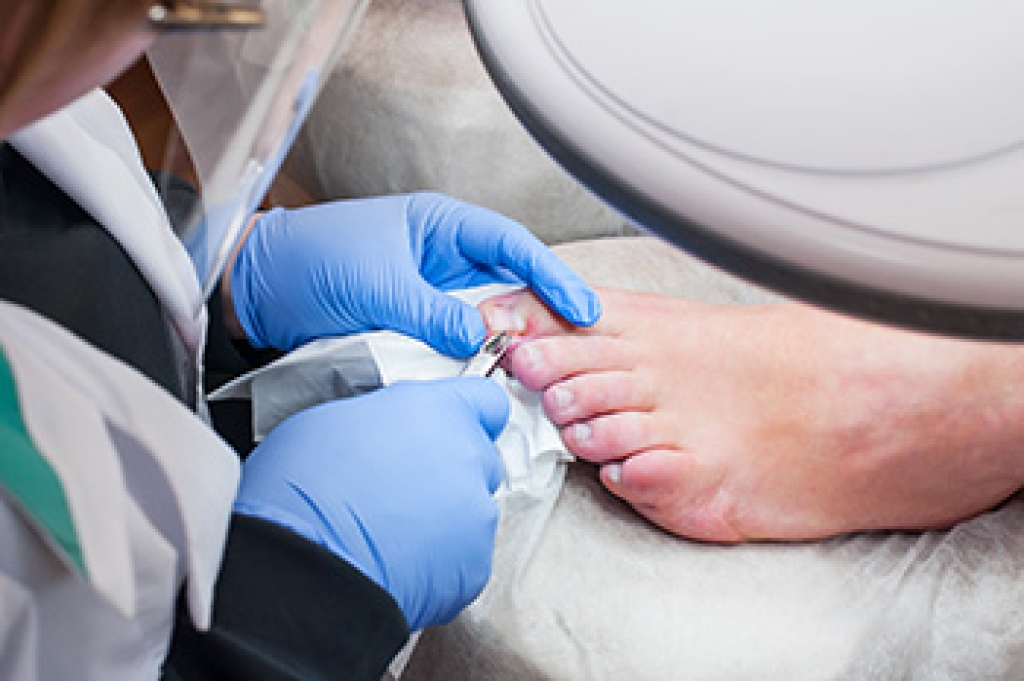
The Winograd technique is a surgical procedure used to treat certain painful or recurring ingrown toenails. An ingrown toenail occurs when part of the nail grows into the surrounding skin, creating irritation along the nail border. Common symptoms include pain, redness, and swelling. Tenderness and drainage may also be common. The condition often affects the big toe and may become more difficult to manage when pressure from shoes continues to irritate the area.
During a Winograd procedure, a podiatrist first examines the affected toe and determines whether surgery is appropriate. The toe is typically numbed with local anesthesia before treatment begins. The podiatrist removes the affected section of the nail along with a small amount of nearby tissue. In many cases, part of the nail-producing tissue is also treated to reduce the chance that the troublesome nail edge will grow back.
Healing begins after the procedure is completed and the toe is dressed. A podiatrist provides specific instructions for cleaning and protecting the surgical site. Patients may need to limit activities that place pressure on the toe and choose comfortable, open, or roomy footwear while healing. Follow-up appointments help the podiatrist evaluate the wound, monitor nail growth, and address any concerns. Keeping the area clean and following instructions can support a smoother recovery.
The Winograd technique can be helpful when an ingrown toenail repeatedly causes discomfort or does not respond to simpler treatment. It is not necessary for every case, so professional evaluation is important before deciding on surgery. If you have persistent symptoms, recurring ingrown toenails, or difficulty walking because of nail pain, it is suggested that you consult a podiatrist who can discuss the benefits of this procedure with you.
Foot surgery is sometimes necessary to treat a foot ailment. To learn more, contact Dr. Castillo of Bronx Foot Care. Our doctor will assist you with all of your foot and ankle needs.
When Is Surgery Necessary?
Foot and ankle surgery is generally reserved for cases in which less invasive, conservative procedures have failed to alleviate the problem. Some of the cases in which surgery may be necessary include:
What Types of Surgery Are There?
The type of surgery you receive will depend on the nature of the problem you have. Some of the possible surgeries include:
Benefits of Surgery
Although surgery is usually a last resort, it can provide more complete pain relief compared to non-surgical methods and may allow you to finally resume full activity.
Surgical techniques have also become increasingly sophisticated. Techniques like endoscopic surgery allow for smaller incisions and faster recovery times.
If you have any questions, please feel free to contact our offices located in Bronx, NY . We offer the newest diagnostic and treatment technologies for all your foot care needs.
Connect With Us
