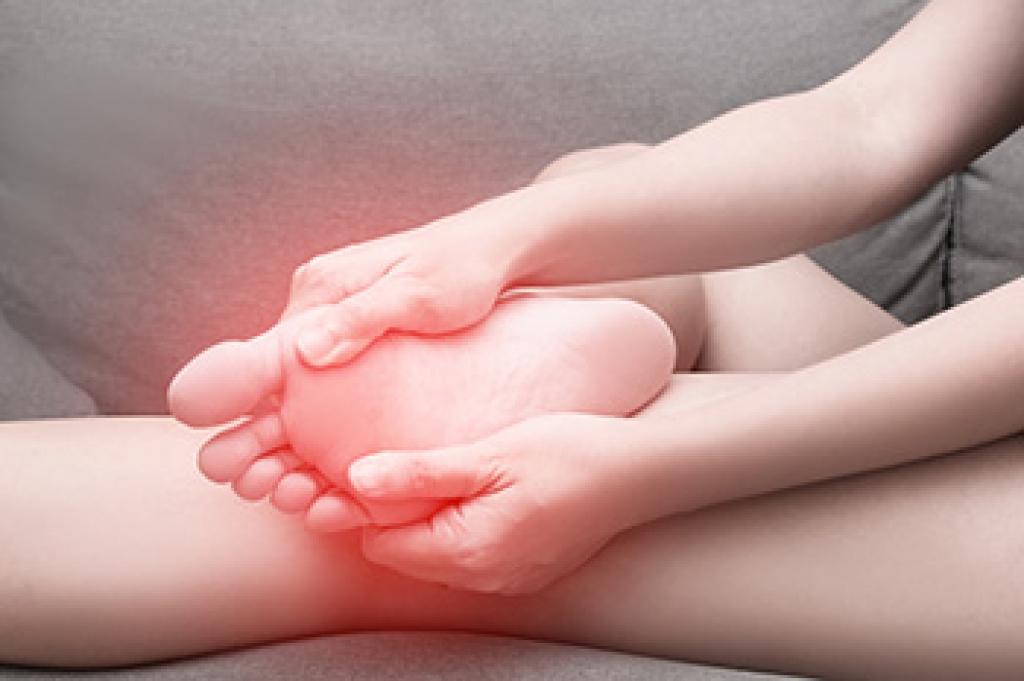
Flat Feet and Treatment Options

Flat feet occur when the arches collapse and the entire sole touches the ground, which can lead to pain, fatigue, and changes in walking mechanics. Some individuals benefit from surgery when conservative care is not enough. Surgical correction can improve alignment and reduce chronic pain, but it also requires recovery time and carries risks such as stiffness or incomplete relief. A podiatrist can evaluate your feet, recommend orthotics and supportive footwear, and discuss whether surgery is an appropriate option for your condition. Taking action early can prevent long-term problems. If you have discomfort from flat feet, it is suggested that you are under the care of a podiatrist who can discuss viable treatment options with you, which may include surgery to restore comfort and mobility.

Foot surgery is sometimes necessary to treat a foot ailment. To learn more, contact Dr. Castillo of Bronx Foot Care. Our doctor will assist you with all of your foot and ankle needs.

When Is Surgery Necessary?

Foot and ankle surgery is generally reserved for cases in which less invasive, conservative procedures have failed to alleviate the problem. Some of the cases in which surgery may be necessary include:

  • Removing foot deformities like bunions and bone spurs
  • Severe arthritis that has caused bone issues
  • Cosmetic reconstruction

What Types of Surgery Are There?

The type of surgery you receive will depend on the nature of the problem you have. Some of the possible surgeries include:

  • Bunionectomy for painful bunions
  • Surgical fusion for realignment of bones
  • Neuropathy decompression surgery to treat nerve damage

Benefits of Surgery

Although surgery is usually a last resort, it can provide more complete pain relief compared to non-surgical methods and may allow you to finally resume full activity.

Surgical techniques have also become increasingly sophisticated. Techniques like endoscopic surgery allow for smaller incisions and faster recovery times.

If you have any questions, please feel free to contact our offices located in Bronx, NY Yonkers, NY . We offer the newest diagnostic and treatment technologies for all your foot care needs.

Read more about Foot Surgery

Why Women Experience Cracked Heels

Cracked heels are a common and often painful condition among women, caused by a combination of dry skin, prolonged standing, and hormonal changes. During menopause, reduced estrogen levels can decrease skin elasticity and moisture, leading to thick, dry, or cracked skin around the heels. An autoimmune disorder called Sjögren’s syndrome affects moisture producing glands, causing dryness that contributes to heel fissures. The use of harsh soaps or walking barefoot may worsen the problem. A podiatrist can gently remove thickened skin, recommend moisturizing treatments, suggest proper footwear, and manage underlying causes to restore healthy skin. If you have cracked heels, it is suggested that you consult a podiatrist who can offer you effective treatment solutions, which may include prescribed medication. 

If the skin on your feet starts to crack, you may want to see a podiatrist to find treatment. If you have any concerns, contact Dr. Castillo from Bronx Foot Care. Our doctor can provide the care you need to keep you pain-free and on your feet.

Cracked Heels

It is important to moisturize your cracked heels in order to prevent pain, bleeding, and infection. The reason cracked heels form is because the skin on the foot is too dry to support the immense pressure placed on them. When the foot expands, the dry skin on the foot begins to split.

Ways to Help Heal Them

  • Invest in a good foot cream
  • Try Using Petroleum Jelly
  • Ease up on Soaps
  • Drink Plenty of Water

Ways to Prevent Cracked Heels

  • Moisturize After Showering
  • Skip a Shower
  • Keep Shower Water Lukewarm
  • Don’t Scrub Your Feet

If you are unsure how to proceed in treating cracked heels, seek guidance from a podiatrist. Your doctor will help you with any questions or information you may need. 

If you have any questions, please feel free to contact our offices located in Bronx, NY Yonkers, NY . We offer the newest diagnostic and treatment technologies for all your foot care needs.

Read more about Solutions for Cracked Heels

When Rheumatoid Arthritis Disfigures the Feet

Rheumatoid arthritis can cause inflammation that damages the joints in the feet, leading to visible disfigurements and pain. Over time, the immune system attacks the lining of the joints, weakening soft tissues and causing bones to shift out of place. This may result in toes drifting toward one side, collapsed arches, bunion formation, or claw-like deformities. These changes often make walking difficult and finding comfortable shoes challenging. Early treatment helps slow joint damage and reduce discomfort. Supportive footwear, custom orthotics, and anti-inflammatory medications can relieve pressure and improve stability. In advanced cases, surgical correction may be needed to restore function and alignment. If you suffer from painful rheumatoid arthritis in your feet, it is suggested that you see a podiatrist for effective relief options.

Because RA affects more than just your joints, including the joints in your feet and ankles, it is important to seek early diagnosis from your podiatrist if you feel like the pain in your feet might be caused by RA. For more information, contact Dr. Castillo of Bronx Foot Care. Our doctor will assist you with all of your podiatric concerns.

What Is Rheumatoid Arthritis?

Rheumatoid Arthritis (RA) is an autoimmune disorder in which the body’s own immune system attacks the membranes surrounding the joints. Inflammation of the lining and eventually the destruction of the joint’s cartilage and bone occur, causing severe pain and immobility.

Rheumatoid Arthritis of the Feet

Although RA usually attacks multiple bones and joints throughout the entire body, almost 90 percent of cases result in pain in the foot or ankle area.

Symptoms

  • Swelling and pain in the feet
  • Stiffness in the feet
  • Pain on the ball or sole of feet
  • Joint shift and deformation

Diagnosis

Quick diagnosis of RA in the feet is important so that the podiatrist can treat the area effectively. Your doctor will ask you about your medical history, occupation, and lifestyle to determine the origin of the condition. Rheumatoid Factor tests help to determine if someone is affected by the disease.

If you have any questions, please feel free to contact our offices located in Bronx, NY Yonkers, NY . We offer the newest diagnostic and treatment technologies for all your foot care needs.

Read more about Rheumatoid Arthritis in the Feet

Why Does Cuboid Syndrome Occur?

Cuboid syndrome is a condition that occurs when the cuboid bone in the foot becomes partially dislocated or misaligned, affecting the surrounding joints and tissues. It is often caused by changes in the cuboid joint structure, overuse, ankle sprains, or repetitive stress during physical activity. Common symptoms include lateral midfoot pain, tenderness, swelling, and discomfort while walking or standing. A podiatrist can accurately diagnose cuboid syndrome through a physical examination and imaging, if needed. Treatment may include manual manipulation, supportive taping, custom orthotics, and targeted exercises to restore alignment and relieve pain. If you have persistent outer foot pain or instability, it is suggested that you schedule an appointment with a podiatrist who can accurately diagnose and treat what may be going on.

Cuboid syndrome, also known as cuboid subluxation, occurs when the joints and ligaments near the cuboid bone in the foot become torn. If you have cuboid syndrome, consult with Dr. Castillo from Bronx Foot Care. Our doctor will assess your condition and provide you with quality foot and ankle treatment.

Cuboid syndrome is a common cause of lateral foot pain, which is pain on the outside of the foot. The condition may happen suddenly due to an ankle sprain, or it may develop slowly overtime from repetitive tension through the bone and surrounding structures.

Causes

The most common causes of cuboid syndrome include:

  • Injury – The most common cause of this ailment is an ankle sprain.
  • Repetitive Strain – Tension placed through the peroneus longus muscle from repetitive activities such as jumping and running may cause excessive traction on the bone causing it to sublux.
  • Altered Foot Biomechanics – Most people suffering from cuboid subluxation have flat feet.

Symptoms

A common symptom of cuboid syndrome is pain along the outside of the foot which can be felt in the ankle and toes. This pain may create walking difficulties and may cause those with the condition to walk with a limp.

Diagnosis

Diagnosis of cuboid syndrome is often difficult, and it is often misdiagnosed. X-rays, MRIs and CT scans often fail to properly show the cuboid subluxation. Although there isn’t a specific test used to diagnose cuboid syndrome, your podiatrist will usually check if pain is felt while pressing firmly on the cuboid bone of your foot.

Treatment

Just as the range of causes varies widely, so do treatments. Some more common treatments are ice therapy, rest, exercise, taping, and orthotics.

If you have any questions, please feel free to contact our offices located in Bronx, NY Yonkers, NY . We offer the newest diagnostic and treatment technologies for all your foot care needs.

Read more about Cuboid Syndrome

Heel Pain Can Be Treated!

Do you suffer from heel pain when you get up in the morning? If so, you should seek professional help and have a proper diagnosis performed. Heel pain can be caused by several different foot-related conditions.

Connect With Us