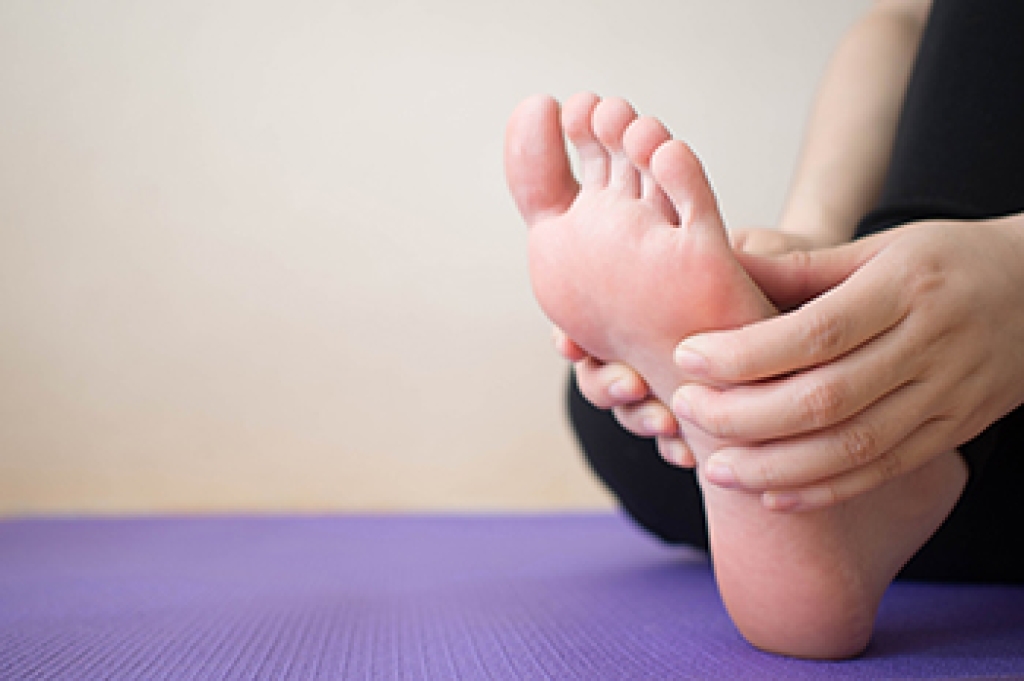
Common Causes of Foot Pain

Foot pain can make ordinary activities difficult, especially when discomfort develops with every step. The feet support body weight and absorb pressure throughout the day, so even small problems may affect movement. Each foot contains bones, joints, muscles, and other tissues that work together to provide stability. Pain may develop after an injury, but it can also appear gradually without an obvious cause. Common sources include plantar fasciitis, arthritis, and bunions. Plantar fasciitis involves irritation of the thick band of tissue along the bottom of the foot, often causing heel pain. Arthritis affects joints and may lead to stiffness or swelling. Bunions develop near the base of the big toe and may cause discomfort when wearing shoes. Understanding where pain begins is an important step toward identifying its cause.


Foot pain does not feel the same for everyone. Some people experience sharp heel pain when they first begin walking. Others notice a steady ache in the arch or ball of the foot. Discomfort often  increases after long periods of standing or walking. Swelling, redness, or tenderness accompany certain foot problems. Changes in foot shape can also affect how weight is distributed, creating pressure in areas that are not used to bearing it. Shoes that fit poorly may worsen irritation, especially around the toes. Nerve-related problems sometimes produce burning sensations or tingling instead of a typical ache. Because many symptoms overlap among different foot conditions, the location and timing of pain provide useful clues. Persistent discomfort may lead to changes in walking patterns, making daily activities more tiring and placing additional stress on the feet.


A podiatrist evaluates foot pain by examining the affected area, checking joint movement, and observing how the feet function during walking. The examination helps identify whether discomfort comes from a joint, irritated tissue, or another source. Depending on the findings, podiatric treatment includes supportive footwear recommendations, custom orthotics, or other targeted approaches to reduce painful pressure. Custom orthotics are shoe inserts designed to support the feet and improve how weight is distributed. A podiatrist also considers activity demands and foot structure when developing an individualized treatment plan. Addressing the cause of discomfort is important for supporting mobility and preventing ongoing strain. If you are experiencing persistent foot pain or having difficulty walking comfortably, it is suggested that you consult a podiatrist for an evaluation and appropriate treatment options.

Foot Pain

Foot pain can be extremely painful and debilitating. If you have a foot pain, consult with Dr. Castillo from Bronx Foot Care. Our doctor will assess your condition and provide you with quality foot and ankle treatment.

Causes

Foot pain is a very broad condition that could be caused by one or more ailments. The most common include:

  • Bunions
  • Hammertoes
  • Plantar Fasciitis
  • Bone Spurs
  • Corns
  • Tarsal Tunnel Syndrome
  • Ingrown Toenails
  • Arthritis (such as Gout, Rheumatoid, and Osteoarthritis)
  • Flat Feet
  • Injury (from stress fractures, broken toe, foot, ankle, Achilles tendon ruptures, and sprains)
  • And more

Diagnosis

To figure out the cause of foot pain, podiatrists utilize several different methods. This can range from simple visual inspections and sensation tests to X-rays and MRI scans. Prior medical history, family medical history, and any recent physical traumatic events will all be taken into consideration for a proper diagnosis.

Treatment

Treatment depends upon the cause of the foot pain. Whether it is resting, staying off the foot, or having surgery; podiatrists have a number of treatment options available for foot pain.

If you have any questions, please feel free to contact our offices located in Bronx, NY . We offer the newest diagnostic and treatment technologies for all your foot care needs.

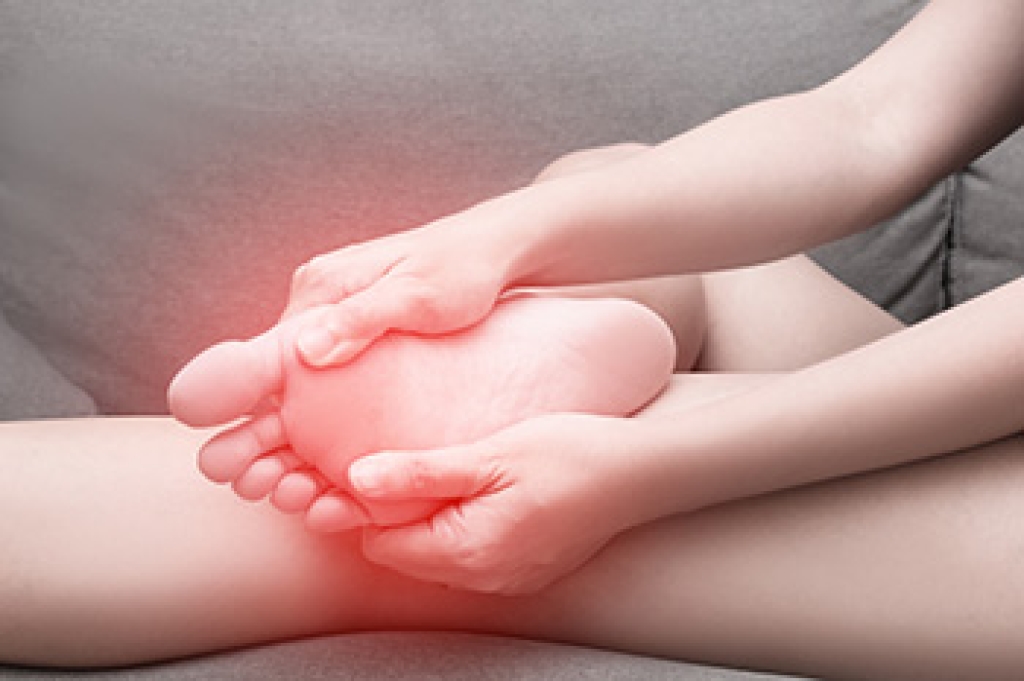
Read more about Foot Pain

Foot and Ankle Biomechanics

How the bones, joints, and muscles work together to support movement is known as foot and ankle biomechanics. Every step places force on the feet, making proper movement important for maintaining balance and stability. When walking, the feet absorb pressure as they contact the ground and then become firm enough to push the body forward. This process helps distribute body weight and supports efficient movement. When normal foot mechanics are disrupted, certain areas may experience excessive pressure or strain. These repeated forces may contribute to joint discomfort, tendon irritation, or other foot and ankle problems. Understanding biomechanics helps explain why some individuals experience persistent foot pain during everyday activities.


Foot structure plays an important role in how pressure moves through the feet. Individuals with flat feet may experience increased stress along certain areas of the ankle. Those with high arches may place greater pressure on other structures. Muscle imbalances may also affect how the feet move while walking. These differences sometimes lead to changes in walking patterns, also known as gait. When foot pain develops, individuals may shorten their steps or spend less time placing weight on the affected foot. These adjustments may temporarily reduce discomfort but also change how forces are distributed. Repeated stress on specific joints or tendons may eventually contribute to ongoing pain and reduced mobility.


A podiatrist evaluates foot biomechanics by examining foot structure, joint movement, and walking patterns. This assessment helps identify areas experiencing excessive pressure or abnormal movement. Care from a podiatrist focuses on improving foot function and addressing factors that contribute to discomfort. Treatment recommendations depend on the individual's foot structure and the specific movement problems identified during the examination. Understanding how the feet absorb and distribute force helps guide appropriate care and reduce unnecessary strain. If you are experiencing persistent foot pain or difficulty walking comfortably, it is suggested that you consult a podiatrist for a biomechanical evaluation and appropriate treatment options.

If you have any concerns about your feet, contact Dr. Castillo from Bronx Foot Care. Our doctor can provide the care you need to keep you pain-free and on your feet.

Biomechanics in Podiatry

Podiatric biomechanics is a particular sector of specialty podiatry with licensed practitioners who are trained to diagnose and treat conditions affecting the foot, ankle and lower leg. Biomechanics deals with the forces that act against the body, causing an interference with the biological structures. It focuses on the movement of the ankle, the foot and the forces that interact with them.

A History of Biomechanics

  • Biomechanics dates back to the BC era in Egypt where evidence of professional foot care has been recorded.
  • In 1974, biomechanics gained a higher profile from the studies of Merton Root, who claimed that by changing or controlling the forces between the ankle and the foot, corrections or conditions could be implemented to gain strength and coordination in the area.

Modern technological improvements are based on past theories and therapeutic processes that provide a better understanding of podiatric concepts for biomechanics. Computers can provide accurate information about the forces and patterns of the feet and lower legs.

Understanding biomechanics of the feet can help improve and eliminate pain, stopping further stress to the foot.

If you have any questions please feel free to contact our offices located in Bronx, NY . We offer the newest diagnostic and treatment technologies for all your foot and ankle needs.

Read more about The Importance of Biomechanics in Podiatry

Why Running Can Cause Ball-of-Foot-Pain

Ball-of-foot-pain from running is discomfort that develops beneath the toes and across the front of the foot. This area absorbs significant force with every stride, especially during faster or longer runs. Several injuries can affect this region. Soft tissue injuries involve damage or irritation to muscles, tendons, or ligaments. Bone injuries involve stress or damage to the metatarsals or other foot bones. Inflammation occurs when tissues become irritated and swollen after repeated stress.


Soft tissue injuries may develop when runners suddenly increase mileage or intensity. Repetitive pushing off can strain structures beneath the toes. Bone injuries can include stress fractures, which are small cracks caused by repeated loading. Inflammation may occur from overuse, especially when the foot does not have enough time to recover. Symptoms can include aching, tenderness, or pain that becomes worse during running. Some runners may notice discomfort when walking or pressing on the ball of the foot.


Several factors can increase the risk of running-related foot pain. Wearing worn-out or poorly fitting running shoes can increase pressure beneath the forefoot. Running on hard surfaces may also place greater stress on the feet. Other risk factors include sudden training changes, poor foot mechanics, and limited recovery between workouts. A podiatrist can evaluate the painful area and review your running habits. The examination may include checking your gait and testing foot movement. Imaging tests may be recommended when a bone injury is suspected. Treatment may include rest, footwear changes, or activity adjustments. More serious injuries may require immobilization.


Ball-of-foot-pain does not have to become a permanent part of running. Getting the cause identified early can help protect your feet and keep you moving safely. If pain continues or affects your ability to run, it is suggested that you consult a podiatrist for an accurate diagnosis and appropriate treatment.

Foot Pain

Foot pain can be extremely painful and debilitating. If you have a foot pain, consult with Dr. Castillo from Bronx Foot Care. Our doctor will assess your condition and provide you with quality foot and ankle treatment.

Causes

Foot pain is a very broad condition that could be caused by one or more ailments. The most common include:

  • Bunions
  • Hammertoes
  • Plantar Fasciitis
  • Bone Spurs
  • Corns
  • Tarsal Tunnel Syndrome
  • Ingrown Toenails
  • Arthritis (such as Gout, Rheumatoid, and Osteoarthritis)
  • Flat Feet
  • Injury (from stress fractures, broken toe, foot, ankle, Achilles tendon ruptures, and sprains)
  • And more

Diagnosis

To figure out the cause of foot pain, podiatrists utilize several different methods. This can range from simple visual inspections and sensation tests to X-rays and MRI scans. Prior medical history, family medical history, and any recent physical traumatic events will all be taken into consideration for a proper diagnosis.

Treatment

Treatment depends upon the cause of the foot pain. Whether it is resting, staying off the foot, or having surgery; podiatrists have a number of treatment options available for foot pain.

If you have any questions, please feel free to contact our offices located in Bronx, NY . We offer the newest diagnostic and treatment technologies for all your foot care needs.

Read more about Foot Pain

Foot Fusion Surgery for Painful and Damaged Joints

Foot fusion surgery, also called arthrodesis, joins damaged bones so they heal into one stable unit. It may be recommended when a foot joint causes ongoing pain, swelling, or difficulty walking. Fusion can involve the hind foot or midfoot, depending on the location of the problem. Hind-foot joints help provide stability and control movement near the heel and ankle. Common causes include arthritis, severe injuries, and damage that has not improved with other treatment.

A podiatrist may recommend fusion when a joint is too damaged to function comfortably or when painful movement continues despite non-surgical care. The purpose is to reduce painful joint motion and create a stable foundation for walking. Before surgery, the podiatrist reviews symptoms and medical history, examines foot alignment, and uses imaging to evaluate the affected bones and joints. During surgery, damaged cartilage is removed, the bones are positioned carefully, and screws or plates may hold them together while they heal.


Smoking, diabetes, and some medications may affect bone healing. The podiatrist discusses these concerns before surgery and provides instructions to improve surgical safety. After the procedure, the foot is protected with a splint, cast, or boot. Weight-bearing is restricted according to the surgical plan, and follow-up visits help the podiatrist check the incision, swelling, and early healing.


Recovery from foot fusion surgery takes time because the bones must grow together securely. The podiatrist may gradually increase weight-bearing, change protective devices, and use X-rays to confirm progress. Patients should follow activity restrictions and report unusual drainage, fever, or worsening pain. Although the fused joint loses motion, successful surgery can reduce pain and improve stability. If arthritis, injury, or deformity is limiting your mobility, it is suggested that you consult a podiatrist who can discuss the benefits of this type of foot surgery with you. 

Foot surgery is sometimes necessary to treat a foot ailment. To learn more, contact Dr. Castillo of Bronx Foot Care. Our doctor will assist you with all of your foot and ankle needs.

When Is Surgery Necessary?

Foot and ankle surgery is generally reserved for cases in which less invasive, conservative procedures have failed to alleviate the problem. Some of the cases in which surgery may be necessary include:

  • Removing foot deformities like bunions and bone spurs
  • Severe arthritis that has caused bone issues
  • Cosmetic reconstruction

What Types of Surgery Are There?

The type of surgery you receive will depend on the nature of the problem you have. Some of the possible surgeries include:

  • Bunionectomy for painful bunions
  • Surgical fusion for realignment of bones
  • Neuropathy decompression surgery to treat nerve damage

Benefits of Surgery

Although surgery is usually a last resort, it can provide more complete pain relief compared to non-surgical methods and may allow you to finally resume full activity.

Surgical techniques have also become increasingly sophisticated. Techniques like endoscopic surgery allow for smaller incisions and faster recovery times.

If you have any questions, please feel free to contact our offices located in Bronx, NY . We offer the newest diagnostic and treatment technologies for all your foot care needs.

Read more about Foot Surgery

It's Time for Beautiful Feet

You don't need an excuse to have beautiful nails. Step outside without worrying about the appearance of your feet.

Connect With Us

Advanced Podiatric Procedures & Services in the NYC, NY: Bronx, Manhattan, Queens; Westchester County, NY: Yonkers, New Rochelle, Eastchester, Bronxville, Larchmont, Pelham Manor areas