
Common Causes of Falls in Seniors and How to Reduce Risk

Falls in elderly adults are a leading cause of injury and can significantly affect independence and quality of life. A fall is defined as an unintentional loss of balance that results in landing on the ground. Common causes include poor vision, medication side effects, home safety hazards, and lack of physical activity. These factors can interfere with balance, coordination, and awareness, increasing the likelihood of a fall. Understanding these causes helps individuals and caregivers take steps to improve safety.

Symptoms that may signal a higher risk of falling include unsteady walking, dizziness, slow reaction time, and muscle weakness. Poor vision can make it difficult to detect obstacles, while certain medications may cause drowsiness or reduced alertness. Risk factors also include chronic health conditions, reduced flexibility, and limited strength. When these issues combine, they can make daily movements more challenging and increase the chance of losing balance.


Falls can result in several foot and ankle conditions, including sprains, fractures, bruising, and joint injuries. These conditions may cause pain, swelling, and difficulty walking, which can limit mobility and slow recovery. Home safety hazards such as loose rugs, poor lighting, and cluttered pathways can increase the risk of these injuries. Preventive measures include improving home safety, staying physically active, and addressing vision concerns. Regular exercise can help build strength and improve balance, which supports safer movement.


Reducing fall risk requires awareness, preparation, and consistent habits. Making simple changes at home and focusing on physical health can help prevent injuries and maintain independence. Understanding symptoms and risk factors allows for early action and better outcomes. If you have foot or ankle pain from falling, it is suggested that you consult a podiatrist for effective treatment solutions and additional guidance on fall prevention strategies.

Preventing falls among the elderly is very important. If you are older and have fallen or fear that you are prone to falling, consult with Dr. Castillo from Bronx Foot Care. Our doctor will assess your condition and provide you with quality advice and care.

Every 11 seconds, an elderly American is being treated in an emergency room for a fall related injury. Falls are the leading cause of head and hip injuries for those 65 and older. Due to decreases in strength, balance, senses, and lack of awareness, elderly persons are very susceptible to falling. Thankfully, there are a number of things older persons can do to prevent falls.

How to Prevent Falls

Some effective methods that older persons can do to prevent falls include:

  • Enrolling in strength and balance exercise program to increase balance and strength
  • Periodically having your sight and hearing checked
  • Discuss any medications you have with a doctor to see if it increases the risk of falling
  • Clearing the house of falling hazards and installing devices like grab bars and railings
  • Utilizing a walker or cane
  • Wearing shoes that provide good support and cushioning
  • Talking to family members about falling and increasing awareness

Falling can be a traumatic and embarrassing experience for elderly persons; this can make them less willing to leave the house, and less willing to talk to someone about their fears of falling. Doing such things, however, will increase the likelihood of tripping or losing one’s balance. Knowing the causes of falling and how to prevent them is the best way to mitigate the risk of serious injury.  

If you have any questions, please feel free to contact our offices located in Bronx, NY . We offer the newest diagnostic and treatment technologies for all your foot care needs.


Read more about Falls Prevention

Understanding In-Toeing and Out-Toeing in Children

In-toeing and out-toeing are common foot and lower-limb alignment conditions that affect the way a child’s feet point while walking or standing. In-toeing occurs when the feet turn inward, while out-toeing occurs when the feet point outward. These conditions are often noticed when children begin walking and may change as the bones and muscles develop. Understanding the definition and causes of in-toeing and out-toeing can help parents recognize normal development patterns and identify when professional evaluation may be needed.

Signs of in-toeing include toes pointing inward, frequent tripping, or an uneven walking pattern. Out-toeing may appear as feet turning outward while walking, standing, or running. Some children may have difficulty with balance or coordination, although many cases improve naturally with growth. Risk factors include family history, differences in bone development, muscle tightness, and positioning during early growth. The alignment of the hips, knees, and feet can all influence how a child walks and moves.


The causes of in-toeing and out-toeing vary depending on the child’s stage of development. In-toeing may result from curved foot structure, inward rotation of the shin bone, or inward positioning of the thigh bone. Out-toeing may develop from outward rotation of the hip, leg alignment differences, or foot positioning issues. These conditions are not always caused by footwear or walking habits, but certain structural factors can influence how the feet align.


Early observation and regular monitoring can help ensure healthy foot development. Supportive footwear, proper movement habits, and professional guidance may be recommended depending on the severity of the condition. Most children improve as they grow, but some cases may require treatment to support proper alignment and function. If your child shows signs of in-toeing or out-toeing, it is suggested that you consult a podiatrist for effective treatment and management solutions. 

The health of a child’s feet is vital to their overall well-being. If you have any questions regarding foot health, contact Dr. Castillo of Bronx Foot Care. Our doctor can provide the care you need to keep you pain-free and on your feet.

Tips for Keeping Children's Feet Healthy

  • Make sure their shoes fit properly
  • Look for any signs of in-toeing or out-toeing
  • Check to see if they have Clubfoot (condition that affects your child’s foot and ankle, twisting the heel and toes inward) which is one of the most common nonmajor birth defects.
  • Lightly cover your baby’s feet (Tight covers may keep your baby from moving their feet freely, and could prevent normal development)
  • Allow your toddler to go shoeless (Shoes can be restricting for a young child’s foot)
  • Cut toenails straight across to avoid ingrown toenails
  • Keep your child’s foot clean and dry
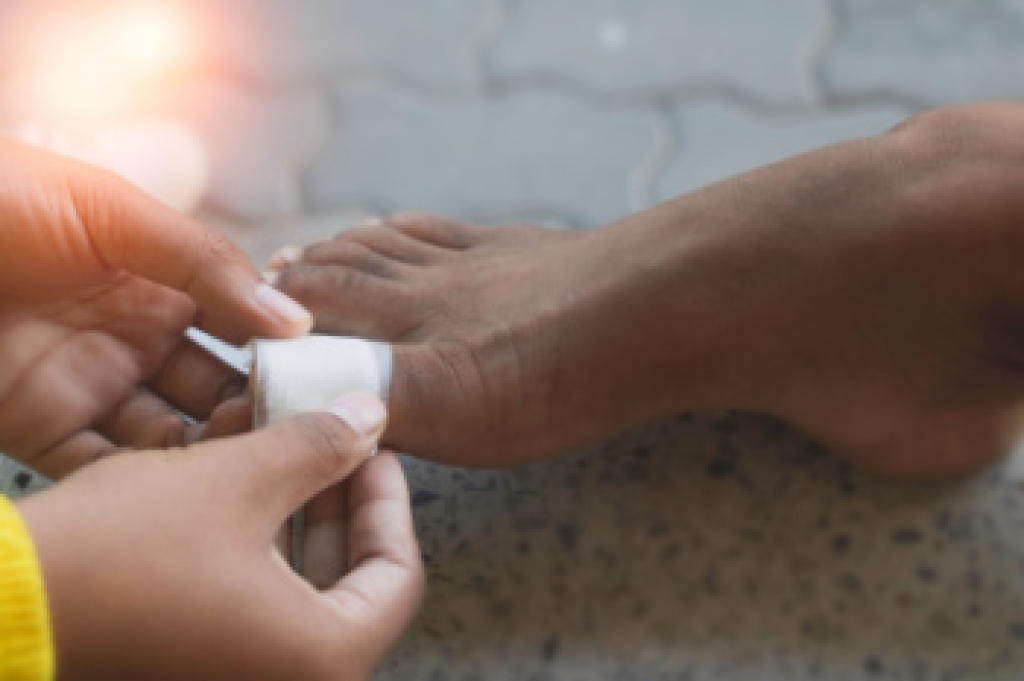
  • Cover cuts and scrapes. Wash any scratches with soap and water and cover them with a bandage until they’ve healed.

If you have any questions, please feel free to contact our offices located in Bronx, NY . We offer the newest diagnostic and treatment technologies for all your foot care needs.
Read more about How to Care for Your Child's Feet

Do Your Child's Feet Hurt?

Have your child's feet been examined lately? Healthy feet are happy feet. If your child is complaining of foot pain, it may be a sign of underlying problems.

High Arch Foot Pain Can Affect Balance and Mobility

A high arch places extra pressure on the heel and ball of the foot. This shape is sometimes called pes cavus, which simply means a foot with a raised arch. High arches can affect one or both feet. Some are inherited, while others are linked to bone or nerve conditions. The uneven weight distribution can lead to aching, burning, or sharp pain. Patients can also develop calluses where pressure is greatest. Pain can become noticeable when standing, running, or walking for periods.

A high arch can also make the foot less flexible and less able to absorb shock. The ankle may feel unstable, which can raise the risk of repeated sprains. Some patients develop curled toes, while others notice that their shoes fit poorly. A podiatrist begins the evaluation by examining the arch, checking joint movement, and studying the patient’s walking pattern. The podiatrist also looks for muscle weakness and changes in sensation. X-rays and other imaging can show the foot’s structure and joint alignment. When signs point to a nerve-related cause, additional testing can help identify the source.

Treatment from a podiatrist focuses on reducing pressure, supporting the arch, and improving stability. Custom orthotics can spread weight more evenly across the foot and provide cushioning beneath painful areas. A podiatrist can also recommend shoes with enough depth, firm heel support, and shock-absorbing soles. Padding or shoe modifications can protect tender spots and improve fit. Regular podiatric evaluations help track changes in the arch, skin, and walking pattern. The right approach depends on the cause of the high arch and the degree of discomfort. Early evaluation can help prevent recurring ankle problems, painful calluses, and increasing difficulty with mobility. If you have high arch foot pain, it is suggested that you schedule an appointment with a podiatrist effective relief and management solutions.

If you have any concerns about your feet, contact Dr. Castillo from Bronx Foot Care. Our doctor can provide the care you need to keep you pain-free and on your feet.

Biomechanics in Podiatry

Podiatric biomechanics is a particular sector of specialty podiatry with licensed practitioners who are trained to diagnose and treat conditions affecting the foot, ankle and lower leg. Biomechanics deals with the forces that act against the body, causing an interference with the biological structures. It focuses on the movement of the ankle, the foot and the forces that interact with them.

A History of Biomechanics

  • Biomechanics dates back to the BC era in Egypt where evidence of professional foot care has been recorded.
  • In 1974, biomechanics gained a higher profile from the studies of Merton Root, who claimed that by changing or controlling the forces between the ankle and the foot, corrections or conditions could be implemented to gain strength and coordination in the area.

Modern technological improvements are based on past theories and therapeutic processes that provide a better understanding of podiatric concepts for biomechanics. Computers can provide accurate information about the forces and patterns of the feet and lower legs.

Understanding biomechanics of the feet can help improve and eliminate pain, stopping further stress to the foot.

If you have any questions please feel free to contact our offices located in Bronx, NY . We offer the newest diagnostic and treatment technologies for all your foot and ankle needs.

Read more about Biomechanics in Podiatry

How Toe Pain Can Affect Daily Movement

Toe pain is a common condition that can disrupt walking, balance, and overall foot function. The toes play an important role in stability and movement, which makes them vulnerable to stress and injury. Pain may develop from structural deformities, joint inflammation, or repetitive strain from daily activities. Conditions such as gout, hammertoe, and tennis toe are frequent causes. Understanding these issues helps individuals recognize early warning signs and seek appropriate care before symptoms worsen.

Gout is a type of inflammatory arthritis caused by the buildup of uric acid crystals within the joint, most often affecting the big toe. It produces sudden and intense pain along with redness and swelling. Hammertoe is a deformity in which the toe bends at the middle joint, leading to pressure and irritation when wearing shoes. Bunions develop as a bony prominence at the base of the big toe, causing misalignment and discomfort. Tennis toe results from repeated trauma, often seen in athletes, and may lead to nail damage and localized soreness.

Symptoms of toe pain commonly include swelling, stiffness, and difficulty walking or standing for extended periods. Some individuals may experience tenderness or a burning sensation around the affected area. Risk factors include wearing tight or poorly fitted shoes, repetitive motion, and inherited foot structure. Obesity and certain health conditions may increase pressure on the toes. Athletes and individuals who spend long hours on their feet may also face a higher risk of developing toe pain.

Treatment depends on the underlying cause and severity of symptoms. Wearing properly fitted footwear, allowing time for rest, and using supportive devices can reduce pressure and improve comfort. Podiatric care may help correct alignment issues and manage inflammation effectively. Early diagnosis supports better outcomes and helps prevent progression. If you have toe pain, it is suggested that you consult a podiatrist for an accurate diagnosis and appropriate treatment.

Toe pain can disrupt your daily activities. If you have any concerns, contact Dr. Castillo of Bronx Foot Care. Our doctor can provide the care you need to keep you pain-free and on your feet.

What Causes Toe Pain?

Most severe toe pain is caused due to a sports injury, trauma from dropping something heavy on the toe, or bumping into something rigid. Other problems can develop over time for various reasons.

Toe pain can be caused by one or more ailments. The most common include:

  • Trauma
  • Sports injury
  • Wearing shoes that are too tight
  • Arthritis
  • Gout
  • Corns and calluses
  • Hammertoe
  • Bunions
  • Blisters
  • Ingrown toenails
  • Sprains
  • Fractures (broken bones)
  • Dislocations

When to See a Podiatrist

  • Severe pain
  • Persistent pain that lasts more than a week
  • Signs of infection
  • Continued swelling
  • Pain that prevents walking

Diagnosis

In many cases the cause of toe pain is obvious, but in others, a podiatrist may want to use more advanced methods to determine the problem. These can range from simple visual inspections and sensation tests to X-rays and MRI scans. Prior medical history, family medical history, and any recent physical traumatic events will all be taken into consideration for a proper diagnosis.

Treatment

Treatments for toe pain and injuries vary and may include shoe inserts, padding, taping, medicines, injections, and in some cases, surgery. If you believe that you have broken a toe, please see a podiatrist as soon as possible.

If you have any questions please contact our offices located in Bronx, NY . We offer the newest diagnostic and treatment technologies for all your foot and ankle needs.

Read more about Toe Pain

Connect With Us

Advanced Podiatric Procedures & Services in the NYC, NY: Bronx, Manhattan, Queens; Westchester County, NY: Yonkers, New Rochelle, Eastchester, Bronxville, Larchmont, Pelham Manor areas